One senior team for the whole product: research and design, apps and platforms, the backend and devices behind them, and running it all after launch.
Last reviewed:
App development
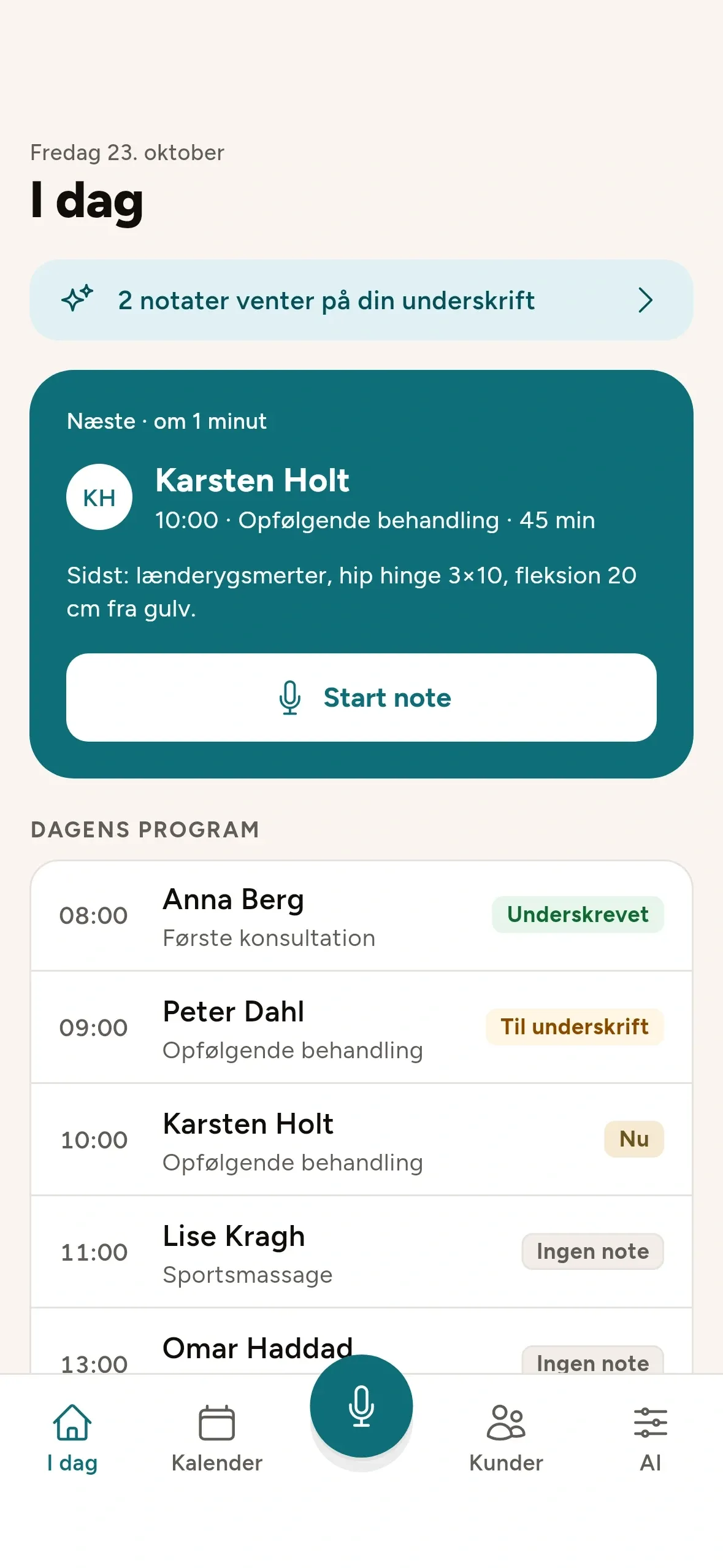
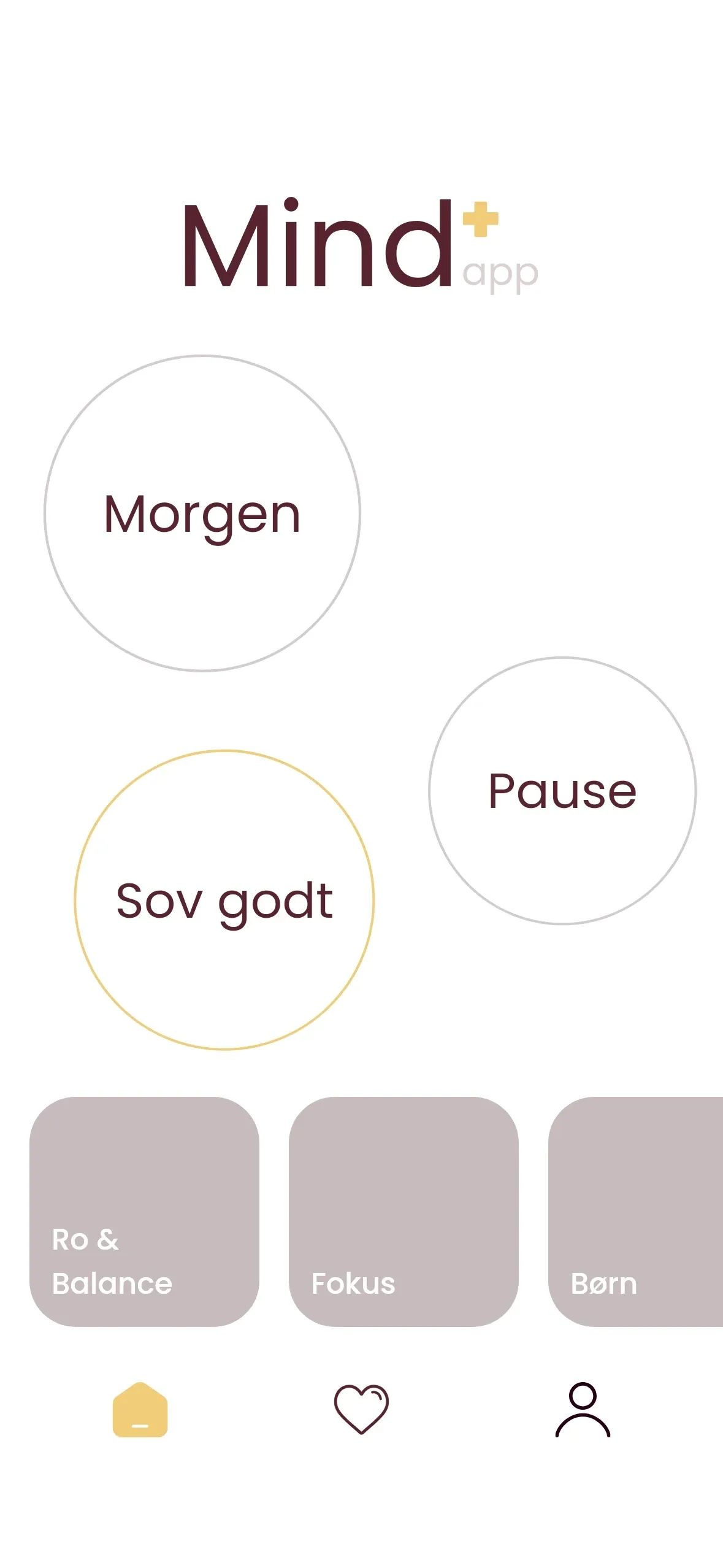
Apps for iOS and Android, from the first release to the version in the stores. We handle product strategy, UX, the app, the backend and the release, and we stay after launch.
See MindPlusWhat you get
- Product strategy and a release plan
- iOS and Android from one codebase, or fully native when it matters
- App Store and Google Play releases handled
- Analytics, crash reporting and updates after launch
Web & SaaS platforms
Web platforms with accounts, roles, billing and integrations. We design the product around the work people actually do, then build the tenant model, the permissions and the reporting that make it hold.
See QualiBooking and PrivaciWhat you get
- Accounts, roles and permissions done properly
- Billing, invoicing and integrations
- Responsive, accessible interfaces
- Hosting, monitoring and scaling
Backend & integrations
Backends that carry the product: domain models, integrations, audit trails and a clear contract for every client. We work with .NET, Node.js, Rust and PostgreSQL, and we document the seams.
See QualihelpWhat you get
- API design and documentation
- Integrations with existing systems and third parties
- Data models, pipelines and migrations
- Security, logging and audit trails
IoT & connected devices
Connected products where the device, the cloud and the app are one system. We handle telemetry, device management, firmware collaboration, security and the operational view of a fleet.
See Wear & CareWhat you get
- Device integration and firmware collaboration
- Secure device-to-cloud data flow
- Apps and dashboards for the people using the data
- Fleet monitoring and updates
Product & UX design
Product design for complex work: clinic tools, care workflows, dashboards and regulated interfaces. We test with the people who will use the product, then hand over a design system the team can keep using.
See SecureFirstWhat you get
- User research and workshops
- Clickable prototypes
- Usability tests with your users
- A design system your team can keep using
Automation & AI
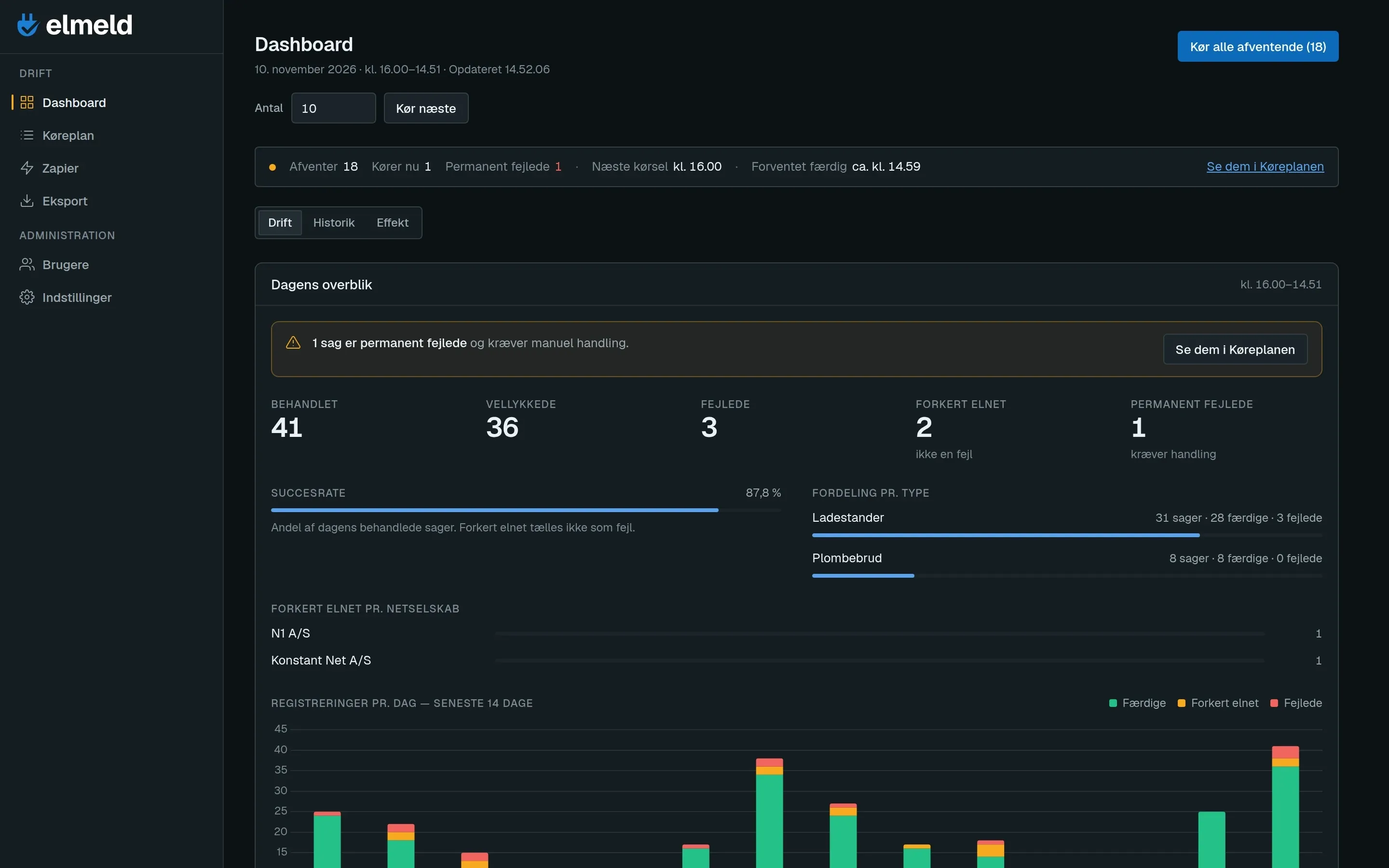
Automation for work that is high volume, low complexity and easy to get wrong. We map the process, build the robot or assistant, measure what it saves, and keep a human in the loop for the exceptions.
See elmeld and QualihelpWhat you get
- Process mapping: what is worth automating
- Software robots for portals and forms
- AI assistants that answer from your documents, with sources
- Measured time saved
Building for healthcare or life science?
We bring the quality processes with us: requirements that trace to tests, validation records, and documentation ready for your QMS, whether you work to ISO 13485, IEC 62304, the MDR or GDPR.
Read: ISO 13485 certification for medical device softwareOne roadmap. Working software every two weeks.
You talk directly to the people building your product, in Danish or English, and you own everything we make, from the first commit.
- Step 1: Assess
Free project assessment
We map what you want to build, the risks and the fastest safe route, and give you a written estimate before you commit. It is free and without obligation; if the project is not a fit, you keep the material.
- Scope and requirements workshop
- Architecture and risk overview
- Roadmap and a written price estimate
- Step 2: Design
Prototype and test
Flows and interfaces are prototyped and tested with real users before anyone writes production code, so changes are cheap while they still can be.
- Prototype of the key flows
- Tests with real users
- Requirements linked to risks and tests, for regulated products
- Step 3: Build
Two-week sprints
Every second week you see working software, demoed by the people who wrote it. Progress is something you can click, not a status report.
- A demo of working software every two weeks
- Code in your repository from the first commit
- Documentation written as we build
- Step 4: Launch
Release with a rollback plan
We release to the App Store and Google Play, the cloud or your devices, with monitoring running from day one and a plan for rolling back.
- Store, cloud or device release
- Monitoring in place at launch
- Validation records with the release, for regulated products
- Step 5: Run
Host, monitor, improve
On a hosting and service agreement we keep the product running and growing, quoted from its needs. Or we hand everything over to your team.
- Monitoring and security updates
- Support and new features as the product grows
- A clean handover whenever you want one
Pick the model that fits.
Ways to work with usThe right tools, not the fashionable ones.
What we build with today, taken from our own repositories and case studies: the apps, platforms and integrations in production, not a wish list.
Apps07
Web07
Backend09
AI07
Data09
Cloud & DevOps10
Integrations10
Quality & compliance09
Questions about services
Can you take over an existing product?
Do you work with regulated products?
Do you offer team extension?
Can you work with our existing cloud and tools?
Not sure whichservice you need?
Start with a free project assessment. We'll map scope, risks and cost with you.